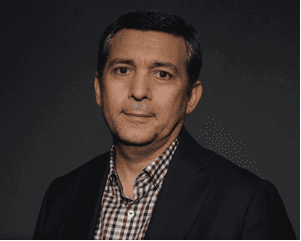

Cardiologist providers include doctors, nurses, nurse practitioners, and physician assistants. They often maintain long-term relationships with you and advise and treat you on a range of health related issues.
Chiropractor providers include doctors, nurses, nurse practitioners, and physician assistants. They often maintain long-term relationships with you and advise and treat you on a range of health related issues.
Dentist providers include doctors, nurses, nurse practitioners, and physician assistants. They often maintain long-term relationships with you and advise and treat you on a range of health related issues.
Dermatologist providers include doctors, nurses, nurse practitioners, and physician assistants. They often maintain long-term relationships with you and advise and treat you on a range of health related issues.
Family Physician providers include doctors, nurses, nurse practitioners, and physician assistants. They often maintain long-term relationships with you and advise and treat you on a range of health related issues.
OB-GYN providers include doctors, nurses, nurse practitioners, and physician assistants. They often maintain long-term relationships with you and advise and treat you on a range of health related issues.
Ophthalmologist providers include doctors, nurses, nurse practitioners, and physician assistants. They often maintain long-term relationships with you and advise and treat you on a range of health related issues.
Orthopedic Surgeon providers include doctors, nurses, nurse practitioners, and physician assistants. They often maintain long-term relationships with you and advise and treat you on a range of health related issues.
Pediatrician providers include doctors, nurses, nurse practitioners, and physician assistants. They often maintain long-term relationships with you and advise and treat you on a range of health related issues.
Physical Therapist providers include doctors, nurses, nurse practitioners, and physician assistants. They often maintain long-term relationships with you and advise and treat you on a range of health related issues.
Podiatrist providers include doctors, nurses, nurse practitioners, and physician assistants. They often maintain long-term relationships with you and advise and treat you on a range of health related issues.
Psychiatrist providers include doctors, nurses, nurse practitioners, and physician assistants. They often maintain long-term relationships with you and advise and treat you on a range of health related issues.
President of Eltahawy Neurosurgry & Spine Care Center serving the Detroit Medical Center and Garden City Hospitals. Specializes in complex spinal surgery, interventional pain management and functional neurosurgery. Served as President of the Michigan Association of Neurological Surgeons 2019-2021.
Received a Masters in healthcare management from Harvard University and several academic degrees in medicine and surgery from Ain Shams University in Cairo, Egypt. Trained in neurosurgery and spine surgery in Detroit-Michigan, Toronto-Canada , London-U.K., and Cairo-Egypt.
Established the vision for the regional Neuroscience Service line at St Joe’s Trinity Health system and served as the Chief of neurosurgery at St Mary Mercy H in Livonia Michigan February 2017-2021. Former Associate Chair of the Wayne State Univ Dept of Neurosurgery.
Repeatedly Selected among Detroit Hour Top Docs, Best Doctors and Best Surgeons in America for several years.
Practice
Neurosurgery and Spine Care PLLC (DBA Eltahawy Neu
President of Eltahawy Neurosurgry & Spine Care Center serving the Detroit Medical Center and Garden City Hospitals. Specializes in complex spinal surgery, interventional pain management and functional neurosurgery. Served as President of the Michigan Association of Neurological Surgeons 2019-2021.
Received a Masters in healthcare management from Harvard University and several academic degrees in medicine and surgery from Ain Shams University in Cairo, Egypt. Trained in neurosurgery and spine surgery in Detroit-Michigan, Toronto-Canada , London-U.K., and Cairo-Egypt.
Established the vision for the regional Neuroscience Service line at St Joe’s Trinity Health system and served as the Chief of neurosurgery at St Mary Mercy H in Livonia Michigan February 2017-2021. Former Associate Chair of the Wayne State Univ Dept of Neurosurgery.
Repeatedly Selected among Detroit Hour Top Docs, Best Doctors and Best Surgeons in America for several years.
Practice
Neurosurgery and Spine Care PLLC (DBA Eltahawy Neu
Dr. Sahni was raised in New York City where he attended Columbia University for both undergraduate and medical school. he then moved to Houston to train in neurological surgery at the Baylor College of Medicine and MD Anderson Cancer Center - one of the most intensive and rigorous neurosurgery training programs in the nation. During residency, Dr. Sahni won the prestigious NREF award, of which only a handful are awarded annually, and conducted ground-breaking research in the use of nanotechnology for spinal cord regeneration. After residency, he completed a complex and minimally invasive spine fellowship in orthopedic spine surgery. He is among the very few spine surgeons in Texas with dual training in both neurosurgery and orthopedic spine surgery. In addition, he has extensive training in brain and spine tumors from MD Anderson Cancer Center, where he was a chief resident. Dr. Sahni currently serves as the chief trauma neurosurgery coordinator for St. David's South Austin Hospital.
Board-certified neurosurgeon Ali H. Mesiwala, MD, FAANS, takes a solution-based approach to determine anatomic and functional abnormalities and then treats them with leading-edge technologies and integrative medicine.
At his four offices in Newport Beach, Marina del Rey, and Rancho Cucamonga, California, he focuses on helping all of their patients return to their normal lives, getting back into motion as quickly as possible.
The team treats a vast array of neurological conditions. After intensive neurological exams and diagnostic testing, they recommend the best nonsurgical treatments for each person's unique health care needs. They recommend surgery when symptoms are severe or persist despite conservative care.
Patients seek Dr. Mesiwala for his expertise in brain and spine surgery, as well as peripheral nerve surgery and artificial disc replacement surgery.
He's an expert in complex brain and skull base surgeries, and he has the most experience in artificial disc replacements on the West Coast, including multi-level operations and all types of spinal decompressions.
Dr. Mesiwala is a leader in the field of minimally invasive sacroiliac (SI) joint surgery and has performed endoscopic cranial and spinal surgery since 2004. No matter where pain originates, patients get relief after he performs neuromodulation surgery.
After earning a Bachelor of Science in biomedical engineering and electrical engineering from Johns Hopkins University in Baltimore, Maryland, Dr. Mesiwala received his Doctor of Medicine from the University of California, San Francisco.
Then he finished his neurological surgery residency at the University of Washington in Seattle, Washington.
He completed his skull base and cerebrovascular fellowships at the University of Washington, International Neuroscience Institute in Hannover, Germany, and the University of Pittsburgh in Pittsburgh, Pennsylvania.
As a respected researcher specializing in the development of novel technologies and minimally invasive techniques for brain and spine surgery, Dr. Mesiwala holds multiple patents for medical devices used in spinal surgery.
In addition to his private practice, Dr. Mesiwala is the faculty surgeon for various artificial disc operations and spinal fusion operations with innovative techniques. He's a fellow of the American Association of Neurological Surgeons (FAANS).
Board-certified neurosurgeon Ali H. Mesiwala, MD, FAANS, takes a solution-based approach to determine anatomic and functional abnormalities and then treats them with leading-edge technologies and integrative medicine.
At his four offices in Newport Beach, Marina del Rey, and Rancho Cucamonga, California, he focuses on helping all of their patients return to their normal lives, getting back into motion as quickly as possible.
The team treats a vast array of neurological conditions. After intensive neurological exams and diagnostic testing, they recommend the best nonsurgical treatments for each person's unique health care needs. They recommend surgery when symptoms are severe or persist despite conservative care.
Patients seek Dr. Mesiwala for his expertise in brain and spine surgery, as well as peripheral nerve surgery and artificial disc replacement surgery.
He's an expert in complex brain and skull base surgeries, and he has the most experience in artificial disc replacements on the West Coast, including multi-level operations and all types of spinal decompressions.
Dr. Mesiwala is a leader in the field of minimally invasive sacroiliac (SI) joint surgery and has performed endoscopic cranial and spinal surgery since 2004. No matter where pain originates, patients get relief after he performs neuromodulation surgery.
After earning a Bachelor of Science in biomedical engineering and electrical engineering from Johns Hopkins University in Baltimore, Maryland, Dr. Mesiwala received his Doctor of Medicine from the University of California, San Francisco.
Then he finished his neurological surgery residency at the University of Washington in Seattle, Washington.
He completed his skull base and cerebrovascular fellowships at the University of Washington, International Neuroscience Institute in Hannover, Germany, and the University of Pittsburgh in Pittsburgh, Pennsylvania.
As a respected researcher specializing in the development of novel technologies and minimally invasive techniques for brain and spine surgery, Dr. Mesiwala holds multiple patents for medical devices used in spinal surgery.
In addition to his private practice, Dr. Mesiwala is the faculty surgeon for various artificial disc operations and spinal fusion operations with innovative techniques. He's a fellow of the American Association of Neurological Surgeons (FAANS).
Board-certified neurosurgeon Ali H. Mesiwala, MD, FAANS, takes a solution-based approach to determine anatomic and functional abnormalities and then treats them with leading-edge technologies and integrative medicine.
At his four offices in Newport Beach, Marina del Rey, and Rancho Cucamonga, California, he focuses on helping all of their patients return to their normal lives, getting back into motion as quickly as possible.
The team treats a vast array of neurological conditions. After intensive neurological exams and diagnostic testing, they recommend the best nonsurgical treatments for each person's unique health care needs. They recommend surgery when symptoms are severe or persist despite conservative care.
Patients seek Dr. Mesiwala for his expertise in brain and spine surgery, as well as peripheral nerve surgery and artificial disc replacement surgery.
He's an expert in complex brain and skull base surgeries, and he has the most experience in artificial disc replacements on the West Coast, including multi-level operations and all types of spinal decompressions.
Dr. Mesiwala is a leader in the field of minimally invasive sacroiliac (SI) joint surgery and has performed endoscopic cranial and spinal surgery since 2004. No matter where pain originates, patients get relief after he performs neuromodulation surgery.
After earning a Bachelor of Science in biomedical engineering and electrical engineering from Johns Hopkins University in Baltimore, Maryland, Dr. Mesiwala received his Doctor of Medicine from the University of California, San Francisco.
Then he finished his neurological surgery residency at the University of Washington in Seattle, Washington.
He completed his skull base and cerebrovascular fellowships at the University of Washington, International Neuroscience Institute in Hannover, Germany, and the University of Pittsburgh in Pittsburgh, Pennsylvania.
As a respected researcher specializing in the development of novel technologies and minimally invasive techniques for brain and spine surgery, Dr. Mesiwala holds multiple patents for medical devices used in spinal surgery.
In addition to his private practice, Dr. Mesiwala is the faculty surgeon for various artificial disc operations and spinal fusion operations with innovative techniques. He's a fellow of the American Association of Neurological Surgeons (FAANS).