ICD-10 Code R32
Unspecified urinary incontinence
What is the code R32?
The ICD-10-CM code R32 is used to denote the symptom of "unspecified urinary incontinence." This code is part of the broader ICD-10-CM (International Classification of Diseases, 10th Revision, Clinical Modification) system, which healthcare providers use to classify and code all diagnoses, symptoms, and procedures recorded in conjunction with hospital care in the United States.
Detailed description of R32
The R32 code is specifically assigned to cases where a patient experiences urinary incontinence but the type is not specified. Urinary incontinence is the involuntary leakage of urine, a condition that can affect individuals of any age but is more prevalent among older adults. The "unspecified" nature of the R32 code indicates that the healthcare provider has identified the presence of urinary incontinence but has not determined the specific type, such as stress, urge, overflow, or functional incontinence.
Symptoms commonly associated with R32
Patients with an R32 diagnosis generally experience the involuntary loss of urine. This can vary from occasional leaks when coughing or sneezing to a sudden and intense urge to urinate followed by an involuntary loss of urine. Symptoms may include:
- A sudden and uncontrollable urge to urinate
- Leakage of urine without warning
- Bedwetting in adults
Related and similar ICD-10 codes
Several ICD-10 codes related to urinary incontinence are more specific than R32. These include:
- N39.3: Stress incontinence (female) (male)
- N39.41: Urge incontinence
- N39.42: Incontinence without sensory awareness
- N39.43: Post-void dribbling
- N39.44: Nocturnal enuresis
- N39.45: Continuous leakage
- N39.46: Mixed incontinence (urge and stress)
Appropriate usage of R32 for billing
Use the R32 code when documenting a patient's condition of unspecified urinary incontinence for billing purposes. This code is appropriate when the healthcare provider has identified urinary incontinence but has not specified the type. Accurate usage of this code helps ensure reimbursement for the services provided to diagnose and manage this symptom.
Instructional notes and/or guidelines with R32
When using the R32 code, it is important to keep the following in mind:
- Ensure that the diagnosis of urinary incontinence has been confirmed and documented.
- Use R32 only when the specific type of urinary incontinence has not been determined.
- If the type of urinary incontinence is known, use the more specific ICD-10 code.
- Codes that should never be used with R32 due to excludes 1 notes are:
- Functional urinary incontinence (R39.81)
- Nonorganic enuresis (F98.0)
- Stress incontinence and other specified urinary incontinence (N39.3-N39.4-)
- Urinary incontinence associated with cognitive impairment (R39.81)
- Other terms that are coded to R32 are “enuresis NOS”
Common pitfalls in coding with R32
Several common pitfalls can arise when coding with R32:
- Misclassification: Using R32 when a more specific code is available can lead to inaccurate record-keeping and potential issues with reimbursement.
- Incomplete documentation: Failing to document the patient's symptoms and the diagnostic process thoroughly can result in improper use of the R32 code.
- Overuse: Do not use R32 as a catch-all for all types of urinary incontinence; it is only for unspecified cases.
Key resources for R32 coding
Healthcare professionals can refer to several resources for accurately coding R32:
- ICD-10-CM Official Guidelines for Coding and Reporting: These guidelines provide comprehensive instructions for using ICD-10 codes, including R32.
- Centers for Medicare & Medicaid Services (CMS): CMS offers a wealth of resources and updates on coding practices, including webinars, manuals, and bulletins.
- Professional coding organizations: Organizations like the American Health Information Management Association (AHIMA) and the American Academy of Professional Coders (AAPC) offer educational resources, certifications, and support for medical coders.
- Coding reference books and software: Reference materials such as the ICD-10-CM codebook can support medical coders and providers.
These resources provide detailed instructions and updates on coding standards and practices.
Conclusion
This code is specifically for cases of unspecified urinary incontinence and should be used accurately to ensure proper documentation and reimbursement. By following the guidelines and avoiding common pitfalls, healthcare professionals can ensure that their coding practices are both precise and efficient.
Simplify ICD-10 code documentation with Tebra
Tebra’s EHR+ gives you quick searches and Systematized Nomenclature of Medicine (SNOMED) field names for efficient code documentation. Plus, Tebra automatically saves ICD-10 to SNOMED mapping for future searches, streamlining your workflow.
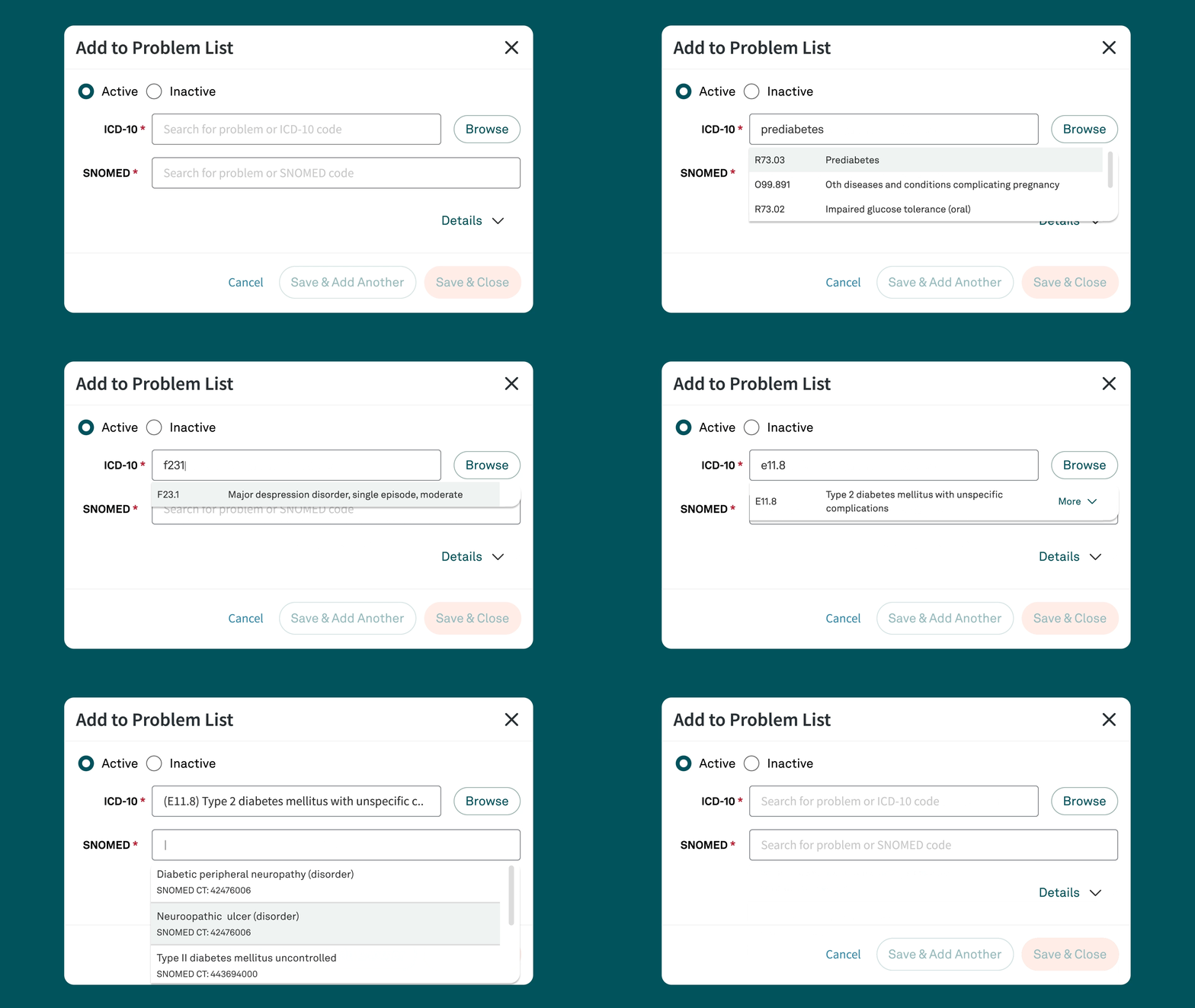
Discover how Tebra helps providers effortlessly document health-related issues and conditions in this detailed post.
Similar Codes
Stay Ahead with Expert Healthcare & Billing Insights
Get the latest industry updates, financial tips, and expert strategies — delivered straight to your inbox.