ICD-10 Code R26.9
Unspecified abnormalities of gait and mobility
What is the code R26.9?
ICD-10-CM code R26.9 is used to denote "unspecified abnormalities of gait and mobility." This code is part of the ICD-10-CM (International Classification of Diseases, 10th revision, Clinical Modification) system, which is used extensively by healthcare providers and medical coders for documenting diagnoses and conditions. The R26.9 code falls under the broader category of symptoms, signs, and abnormal clinical and laboratory findings, not elsewhere classified.
Detailed description of R26.9
The R26.9 code indicates a general, unspecified issue related to a patient's gait and mobility. Gait abnormalities can manifest in various ways, including irregular walking patterns, difficulty in maintaining balance, or an inability to walk at all. These issues may result from a wide range of underlying conditions such as neurological disorders, musculoskeletal problems, or even psychological factors. Because R26.9 is an unspecified code, it is used when the exact nature of the gait abnormality is not determined or documented in the patient's medical record.
Symptoms commonly associated with R26.9
Patients presenting with R26.9 may exhibit a variety of symptoms related to gait and mobility issues. These symptoms can include:
- Difficulty walking or maintaining balance
- Limping or irregular walking patterns
- Frequent falls or near falls
- Inability to walk without assistance
- Shuffling gait or dragging of feet
- General instability while standing or walking
These symptoms can significantly impact a patient's quality of life and may necessitate further diagnostic testing to determine the underlying cause.
Related and similar ICD-10 codes
Several other ICD-10 codes are closely related to R26.9 and may be used depending on the specificity of the patient's condition:
- R26.0: Ataxic gait
- R26.1: Paralytic gait
- R26.2: Difficulty in walking, not elsewhere classified
- R26.81: Unsteadiness on feet
- R26.89: Other abnormalities of gait and mobility
Each of these codes provides a more specific description of the patient's condition and should be used when applicable to ensure precise documentation and appropriate treatment.
Appropriate usage and guidelines for R26.9
The R26.9 code should be used when a patient exhibits gait and mobility abnormalities, but the exact nature of these issues has not been identified or documented. To ensure accurate coding, medical professionals should:
- Conduct a thorough assessment of the patient's symptoms
- Document all relevant findings in the patient's medical record
- Use more specific codes when the underlying cause or specific nature of the gait abnormality is known
- Avoid using R26.9 if a more precise code applies — do not code when R26.9 is a symptom of a more specific code
Appropriate use of R26.9 ensures that the patient's condition is accurately represented, which is important for effective treatment and care planning.
Common pitfalls in coding with R26.9
When using the R26.9 code, several common pitfalls should be avoided to ensure accurate and effective documentation:
- Overuse of the unspecified code when more specific codes are available
- Failing to conduct a comprehensive assessment to identify the gait abnormality's underlying cause
- Inadequate documentation in the patient's medical record, leading to coding ambiguity
- Misinterpreting symptoms that may fall under different or more specific ICD-10 codes
Avoiding these pitfalls ensures that the patient's condition is accurately captured, facilitating better care and appropriate reimbursement.
Key resources for R26.9 coding
For accurate coding and documentation of R26.9, healthcare providers and medical coders can refer to several key resources:
- ICD-10-CM Official Guidelines for Coding and Reporting: These guidelines provide comprehensive instructions for using ICD-10 codes.
- Centers for Medicare & Medicaid Services (CMS): CMS offers a wealth of resources and updates on coding practices, including webinars, manuals, and bulletins.
- Professional coding organizations: Organizations like the American Health Information Management Association (AHIMA) and the American Academy of Professional Coders (AAPC) offer educational resources, certifications, and support for medical coders.
- Coding reference books and software: Reference materials such as the ICD-10-CM codebook can support medical coders and providers.
These resources provide valuable guidance and support for accurate and effective coding practices.
Conclusion
ICD-10 code R26.9 is used to document unspecified abnormalities of gait and mobility. Accurate usage and coding of R26.9 require thorough assessment, appropriate documentation, and awareness of related codes. By understanding the symptoms, related codes, usage guidelines, and common pitfalls, healthcare providers and medical coders can ensure precise and effective documentation, ultimately enhancing patient care and outcomes.
Simplify ICD-10 code documentation with Tebra
Tebra’s EHR+ gives you quick searches and Systematized Nomenclature of Medicine (SNOMED) field names for efficient code documentation. Plus, Tebra automatically saves ICD-10 to SNOMED mapping for future searches, streamlining your workflow.
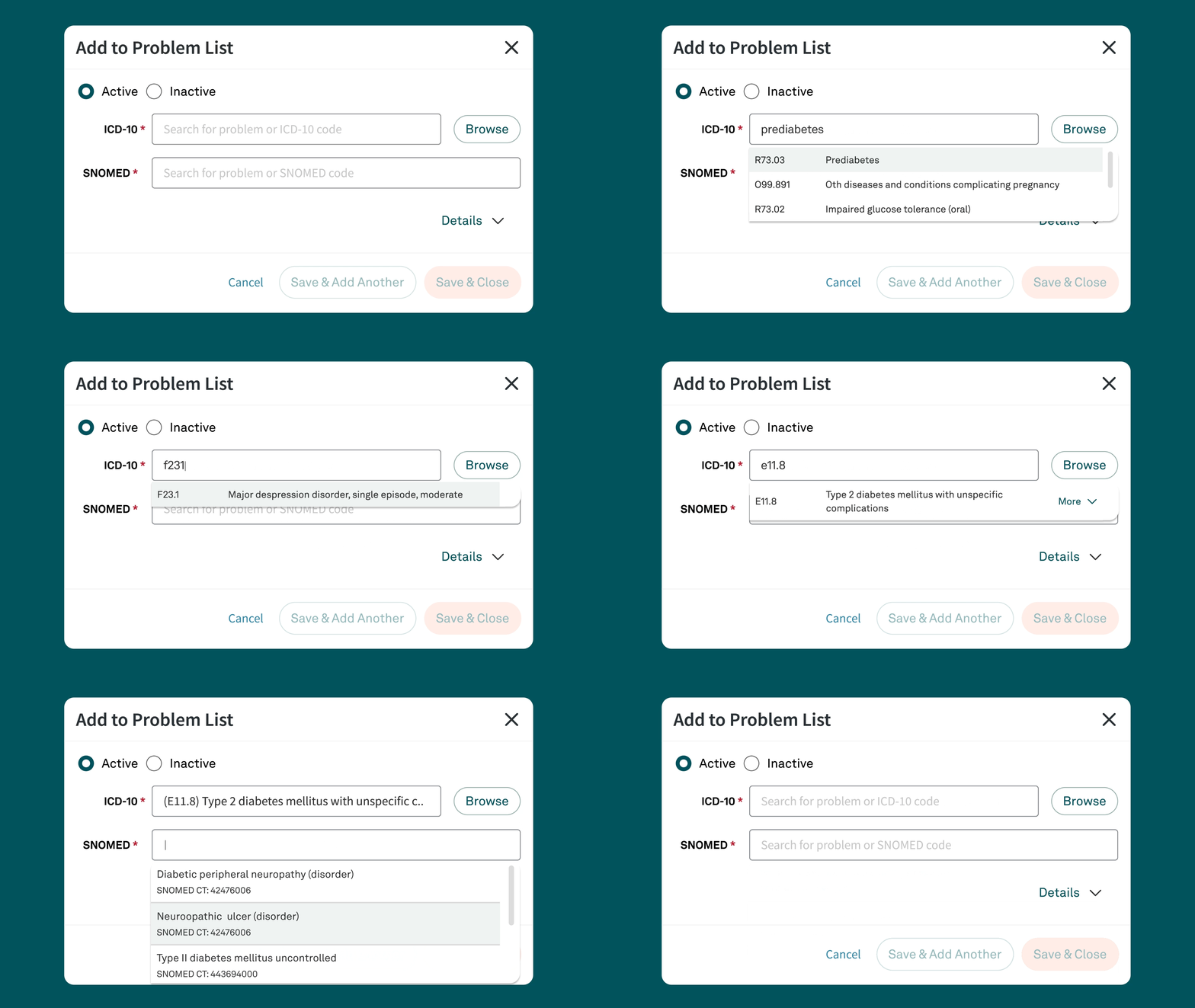
Discover how Tebra helps providers effortlessly document health-related issues and conditions in this detailed post.
Similar Codes
Stay Ahead with Expert Healthcare & Billing Insights
Get the latest industry updates, financial tips, and expert strategies — delivered straight to your inbox.